Locations
ISO certification across the UK
Our auditors visit organisations in every part of England, Scotland, Wales and Northern Ireland. Find your town or city to see how certification supports local industries and supply chains.
77 locations
London1
South East12
East of England10
South West8
West Midlands6
East Midlands5
Yorkshire and the Humber8
North West9
Scotland7
ISO certification services
ISO standards we certify
Hexa audits and certifies 11 international management system standards. Choose a standard to see what it covers and who it is for.
Quality
ISO 9001:2026Quality Management
ISO 9001:2026 sets out the requirements for a quality management system. Published in September 2026, it replaces ISO 9001:2015 and keeps the same core approach. It asks an organisation to understand its context and interested parties, plan its processes around risks and opportunities, and show that it consistently provides products and services that meet customer and applicable statutory and regulatory requirements. It is the most widely used management system standard and applies to organisations of any size or sector, from sole manufacturers to national service providers.
- Meet tender and supplier requirements
- Consistent processes
- Fewer errors and complaints
- Risk-based planning

Environment & Energy
ISO 14001:2026Environmental Management
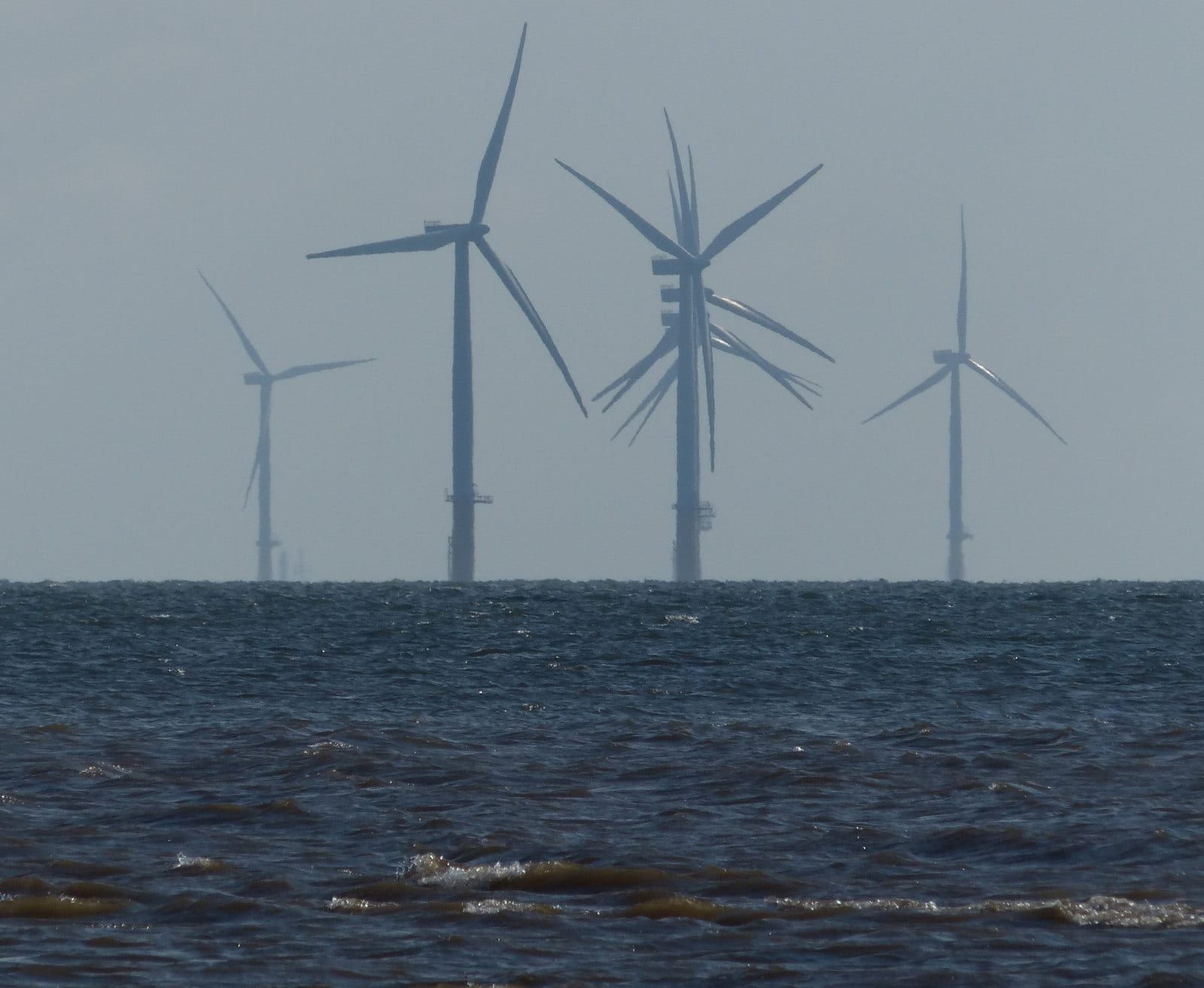
ISO 14001:2026, published in April 2026 to replace the 2015 edition, specifies the requirements for an environmental management system. It helps an organisation identify the environmental aspects of its activities, products and services, understand its compliance obligations, and manage significant impacts through planning, operational control and evaluation. The standard takes a life cycle perspective, so organisations consider stages they can control or influence, such as purchasing, transport, use and end-of-life treatment, as well as their own sites.
- Supply chain and tender credibility
- Structured legal compliance
- Control of significant impacts
- Resource and waste efficiency
Health & Safety
ISO 45001:2018Occupational Health and Safety Management
ISO 45001:2018 sets out requirements for an occupational health and safety management system. Its aim is to prevent work-related injury and ill health and to provide safe and healthy workplaces. The standard places strong emphasis on leadership, the consultation and participation of workers, hazard identification and the hierarchy of controls. It replaced OHSAS 18001 and follows the Harmonized Structure, so it integrates readily with ISO 9001 and ISO 14001.
- Prequalification and tenders
- Worker involvement
- Systematic hazard control
- Clear legal oversight

Information & Technology
ISO/IEC 27001:2022Information Security Management
ISO/IEC 27001:2022 specifies requirements for an information security management system (ISMS). It requires an organisation to assess information security risks to the confidentiality, integrity and availability of information, select controls to treat them and manage those controls through a continual cycle of monitoring and review. Annex A lists 93 reference controls in four themes: organisational, people, physical and technological. Each organisation compares its chosen controls against Annex A and records the outcome in a Statement of Applicability.
- Answer security questionnaires
- Risk-based security
- Supports data protection duties
- Management oversight

Environment & Energy
ISO 50001:2018Energy Management
ISO 50001:2018 specifies requirements for an energy management system (EnMS). It requires an organisation to understand how it uses and consumes energy, identify significant energy uses, set an energy baseline and energy performance indicators, and plan actions to improve energy performance. Unlike some other management system standards, ISO 50001 requires an organisation to demonstrate continual improvement in energy performance itself, not only in the management system.
- ESOS compliance route
- Measured energy performance
- Focus on significant uses
- Cost control

Resilience & Governance
ISO 22301:2019Business Continuity Management
ISO 22301:2019 specifies requirements for a business continuity management system (BCMS). It helps an organisation prepare for, respond to and recover from disruptive incidents when they occur. The core of the standard sits in clause 8, which requires a business impact analysis and risk assessment, business continuity strategies and solutions, documented plans and procedures, an exercise programme and evaluation of business continuity capability. It follows the Harmonized Structure and integrates with other management system standards.
- Evidence for customers
- Clear recovery priorities
- Tested plans
- Understanding dependencies

Sector-specific
ISO 22000:2018Food Safety Management
ISO 22000:2018 specifies requirements for a food safety management system for any organisation in the food chain, from feed and primary production through processing, storage, transport, retail and food service, as well as packaging and equipment suppliers. It combines the Harmonized Structure management system clauses with HACCP principles from Codex Alimentarius, prerequisite programmes (PRPs) and interactive communication across the food chain. The standard uses two linked Plan, Do, Check, Act cycles: one for the management system and one for operational hazard control.
- Structured hazard control
- Applies across the food chain
- Management system discipline
- Communication across the chain

Sector-specific
ISO 13485:2016Medical Devices Quality Management
ISO 13485:2016 specifies requirements for a quality management system where an organisation needs to demonstrate its ability to provide medical devices and related services that consistently meet customer and applicable regulatory requirements. It applies to manufacturers and to organisations involved in other stages of the device life cycle, such as design, distribution, installation, servicing, sterilisation and component supply. The standard places particular emphasis on risk management, process validation, traceability and regulatory reporting.
- Supports regulatory submissions
- Supply chain requirements
- Risk management throughout
- Validated processes

Information & Technology
ISO/IEC 20000-1:2018IT Service Management
ISO/IEC 20000-1:2018 specifies requirements for establishing, implementing, maintaining and continually improving a service management system (SMS). It covers the planning, design, transition, delivery and improvement of services to meet agreed requirements. Clause 8 sets out the operational processes, grouped into service portfolio, relationship and agreement, supply and demand, service design, build and transition, resolution and fulfilment, and service assurance. The 2018 edition follows the Harmonized Structure, which allows integration with ISO/IEC 27001 and ISO 9001.
- Procurement credibility
- Consistent service delivery
- Clear service agreements
- Controlled change

Information & Technology
ISO/IEC 42001:2023Artificial Intelligence Management
ISO/IEC 42001:2023 is the first international management system standard for artificial intelligence. It specifies requirements for establishing, implementing, maintaining and continually improving an AI management system (AIMS) within an organisation that develops, provides or uses AI systems. It requires AI risk assessment, AI risk treatment and AI system impact assessment, considering effects on individuals, groups and society. Annex A provides reference controls covering areas such as AI policy, resources, impact assessment, the AI system life cycle, data and third-party relationships.
- Evidence of responsible AI governance
- Structured risk and impact assessment
- Clear roles and accountability
- Life cycle controls

Resilience & Governance
ISO 37001:2025Anti-Bribery Management
ISO 37001 specifies requirements for an anti-bribery management system. It helps an organisation prevent, detect and respond to bribery, whether by the organisation, its personnel or business associates acting on its behalf, and bribery of the organisation. Requirements include an anti-bribery policy, top management and governing body oversight, an anti-bribery compliance function, bribery risk assessment, due diligence, financial and non-financial controls, gifts and hospitality controls, and processes for raising and investigating concerns. The second edition, ISO 37001:2025, was published in February 2025.
- Supports adequate procedures
- Risk-based controls
- Due diligence on third parties
- Clear governance oversight

What we do
Certification services for every stage
- Initial CertificationIndependent Stage 1 and Stage 2 certification auditsLearn more
- Surveillance AuditsAnnual audits that keep your certificate validLearn more
- Recertification AuditsRenew your certificate for a further three-year cycleLearn more
- Certificate TransferMove an existing accredited certificate to HexaLearn more
- Integrated Management SystemsCombined audits for several ISO standardsLearn more
- Pre-assessmentAn optional readiness check before certificationLearn more
- Management System TrainingPublic awareness and internal auditor coursesLearn more
- Certificate VerificationConfirm a Hexa certificate is genuine and currentLearn more
FAQs
Coverage questions
Do you audit outside the cities listed here?
Yes. The locations listed are the towns and cities we are asked about most, but we audit organisations anywhere in the UK, including rural sites, islands and industrial estates. Tell us your postcode when you request a quote and travel will be included in the fixed price.
Are your fees different depending on location?
No. Audit fees are based on audit duration, which depends on headcount, sites, standards and complexity. We do not add a regional premium. Reasonable travel and accommodation for on-site audits are included in your quotation so the total is clear before you commit.
Can one certificate cover sites in different parts of the UK?
Yes. A multi-site certificate can cover locations across England, Scotland, Wales and Northern Ireland provided they operate under one management system with central control, internal audit and management review. Sites are sampled at each audit using the accreditation rules.
Do audits in Scotland, Wales and Northern Ireland follow the same process?
The certification process is the same in all four nations because it follows ISO/IEC 17021-1. What changes is the legal context your system must address, such as different environmental regulators, devolved procurement rules and, in Northern Ireland, HSENI for health and safety.
How far ahead should we book an audit?
Most organisations book four to eight weeks ahead, which gives time to confirm the audit plan and auditor. If you have a tender deadline, tell us when you request a quote and we will do our best to schedule Stage 1 and Stage 2 to meet it, without compromising the audit.
Are any audits carried out remotely?
Some Stage 1 and document review activity can be done remotely where the scheme rules allow. Stage 2, surveillance and recertification audits are normally on site because auditors need to observe activities, interview staff and see the workplace.
Which standards are available in every location?
All eleven standards we certify are available across the UK, including ISO 9001, ISO 14001, ISO 45001, ISO/IEC 27001, ISO 50001, ISO 22301, ISO 22000, ISO 13485, ISO/IEC 20000-1, ISO/IEC 42001 and ISO 37001.
Can you audit sites outside the UK for a UK company?
Please ask us. Overseas sites can sometimes be included in a UK organisation's certificate where they fall under the same management system. We will confirm feasibility, auditor availability and any additional costs before quoting.
Start your certification
Get a fixed, three-year certification quote
Tell us about your organisation and the standards you need. We will confirm audit days, scope and dates in writing, with no obligation.