Industries · Logistics & Transport
ISO certification for logistics & transport
ISO 9001, 14001, 45001, 27001 and 22301 certification for UK hauliers, warehousing operators, couriers and third-party logistics providers.
- ISO 9001 quality
- ISO 14001 environmental
- ISO 45001 occupational health and safety
- ISO 27001 information security
Overview
Certification for hauliers, warehousing and 3PLs
Logistics and transport businesses support almost every other sector, and their customers increasingly expect evidence that goods will be handled reliably, safely and securely. ISO 9001 is frequently requested in contracts for haulage, warehousing and fulfilment, and ISO 14001 and ISO 45001 address the environmental and safety risks that come with fleets and busy sites. Many operators combine all three in one integrated system.
Fleet operators also work within a framework of specific UK requirements and schemes. Operator licensing and roadworthiness are regulated through the Traffic Commissioners and the DVSA, and many operators take part in the Fleet Operator Recognition Scheme. FORS is a separate accreditation scheme focused on fleet operations, and ISO certification can sit comfortably alongside it. Records such as vehicle checks and driver training often support both.
As logistics becomes more data-driven, information security and continuity matter as well. Warehouse and transport management systems, customer data and integrations with clients are attractive targets for attackers, and disruption can quickly affect customers. ISO/IEC 27001 and ISO 22301 help address these risks. Hexa Certifications does not certify to ISO 39001 for road traffic safety. Road risk can instead be managed within ISO 45001.

Recommended
- ISO 9001
- ISO 14001
- ISO 45001
Sector challenges
Where certification makes the difference
The pressures organisations in logistics & transport face most often, and how a certified management system helps answer them.
Customer contract requirements
Retailers, manufacturers and public bodies often specify ISO 9001 and sometimes ISO 14001 or ISO 45001 in logistics contracts and tenders.
Workplace transport and site safety
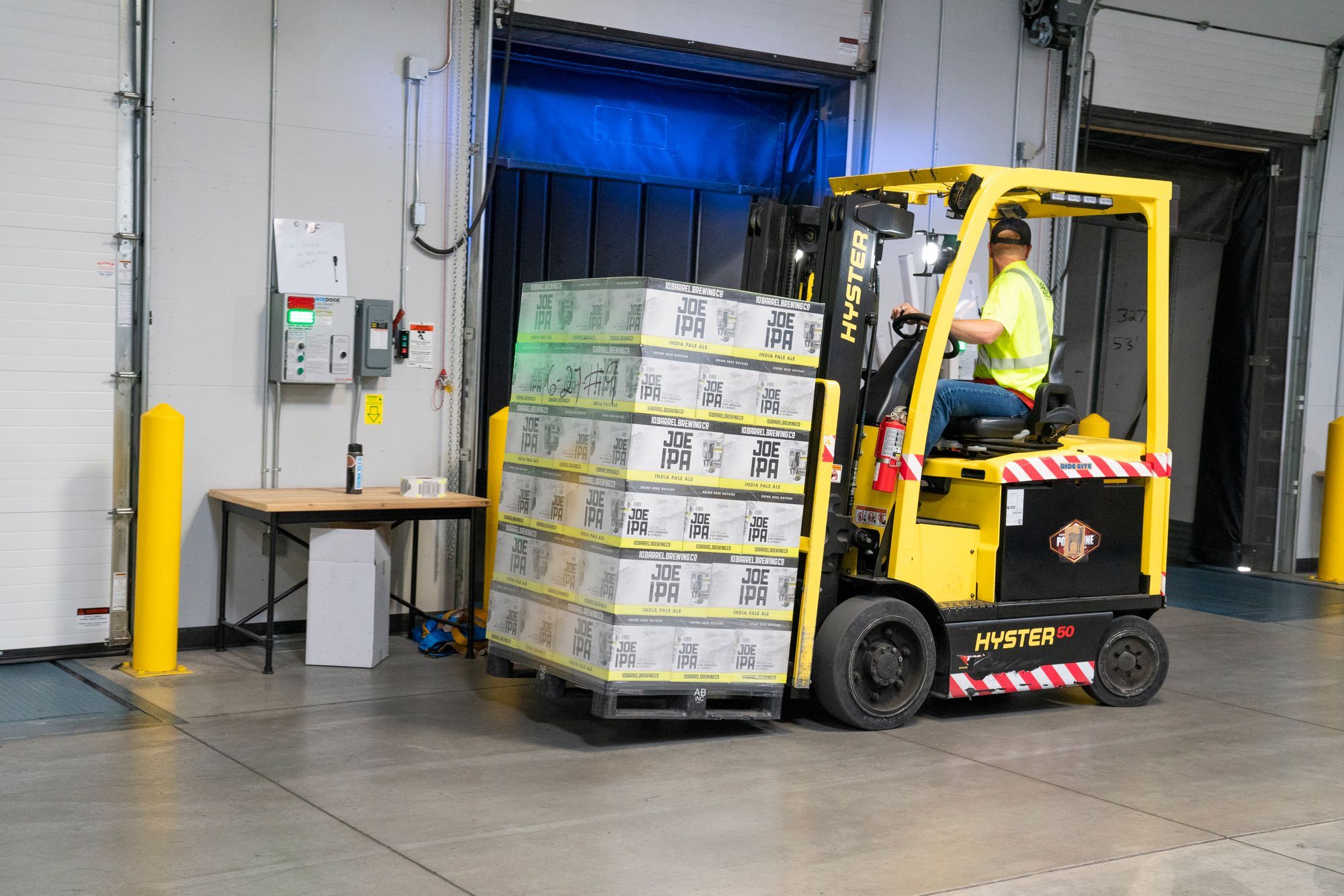
Vehicle movements, loading, forklift operations and manual handling create significant risks that ISO 45001 helps manage.
Fuel use and emissions
Fleet fuel use, emissions and waste attract scrutiny from customers and in public procurement, making ISO 14001 increasingly relevant.
Dispersed operations
Drivers and depots operate across wide areas, so controls must work consistently away from head office.
Systems and continuity
Dependence on transport and warehouse management systems makes cyber security and business continuity planning important.
Recommended standards
Standards most requested in logistics & transport
Choose a standard to see what it covers. Several can be combined into one integrated audit.
Quality
ISO 9001:2026Quality Management
ISO 9001:2026 sets out the requirements for a quality management system. Published in September 2026, it replaces ISO 9001:2015 and keeps the same core approach. It asks an organisation to understand its context and interested parties, plan its processes around risks and opportunities, and show that it consistently provides products and services that meet customer and applicable statutory and regulatory requirements. It is the most widely used management system standard and applies to organisations of any size or sector, from sole manufacturers to national service providers.
- Meet tender and supplier requirements
- Consistent processes
- Fewer errors and complaints
- Risk-based planning

Environment & Energy
ISO 14001:2026Environmental Management
ISO 14001:2026, published in April 2026 to replace the 2015 edition, specifies the requirements for an environmental management system. It helps an organisation identify the environmental aspects of its activities, products and services, understand its compliance obligations, and manage significant impacts through planning, operational control and evaluation. The standard takes a life cycle perspective, so organisations consider stages they can control or influence, such as purchasing, transport, use and end-of-life treatment, as well as their own sites.
- Supply chain and tender credibility
- Structured legal compliance
- Control of significant impacts
- Resource and waste efficiency

Health & Safety
ISO 45001:2018Occupational Health and Safety Management
ISO 45001:2018 sets out requirements for an occupational health and safety management system. Its aim is to prevent work-related injury and ill health and to provide safe and healthy workplaces. The standard places strong emphasis on leadership, the consultation and participation of workers, hazard identification and the hierarchy of controls. It replaced OHSAS 18001 and follows the Harmonized Structure, so it integrates readily with ISO 9001 and ISO 14001.
- Prequalification and tenders
- Worker involvement
- Systematic hazard control
- Clear legal oversight

Information & Technology
ISO/IEC 27001:2022Information Security Management
ISO/IEC 27001:2022 specifies requirements for an information security management system (ISMS). It requires an organisation to assess information security risks to the confidentiality, integrity and availability of information, select controls to treat them and manage those controls through a continual cycle of monitoring and review. Annex A lists 93 reference controls in four themes: organisational, people, physical and technological. Each organisation compares its chosen controls against Annex A and records the outcome in a Statement of Applicability.
- Answer security questionnaires
- Risk-based security
- Supports data protection duties
- Management oversight

Resilience & Governance
ISO 22301:2019Business Continuity Management
ISO 22301:2019 specifies requirements for a business continuity management system (BCMS). It helps an organisation prepare for, respond to and recover from disruptive incidents when they occur. The core of the standard sits in clause 8, which requires a business impact analysis and risk assessment, business continuity strategies and solutions, documented plans and procedures, an exercise programme and evaluation of business continuity capability. It follows the Harmonized Structure and integrates with other management system standards.
- Evidence for customers
- Clear recovery priorities
- Tested plans
- Understanding dependencies

How it works
Your route to certification
- 1
Application and quotation
You tell us your scope, sites, headcount and standards. We calculate audit duration using the accreditation rules and send a fixed quotation for the full three-year cycle.
- 2
Stage 1 audit
Your auditor reviews your documented information, scope, legal and regulatory awareness, internal audit and management review, and confirms you are ready for Stage 2.
- 3
Stage 2 audit
An on-site evaluation of how your management system works in practice. The auditor interviews people, observes activities and samples records against every requirement.
- 4
Certification decision
Any nonconformities are closed with evidence. A qualified reviewer who did not take part in the audit makes the certification decision and your certificate is issued.
- 5
Surveillance and recertification
Surveillance audits take place at least once a year to confirm continued conformity. A recertification audit before the third anniversary renews your certificate.
Certificate verification
Check a Hexa certificate
Need to know whether a supplier's certificate is current? Customers, buyers and other interested parties can ask us to confirm the details held in our records.
We confirm the organisation name, certificate number, ISO standard, certified scope, status, and issue and expiry dates.
FAQs
Logistics & Transport: certification questions
Does ISO certification replace FORS?
No. The Fleet Operator Recognition Scheme is a separate accreditation focused on fleet safety, efficiency and environmental performance, with Bronze, Silver and Gold levels. ISO certification covers your management system against an international standard. Many operators hold both, and the processes developed for one can support the other.
Do you certify to ISO 39001?
No. Hexa Certifications does not currently offer certification to ISO 39001 for road traffic safety management. Many transport operators address road risk within ISO 45001, which covers work-related driving as an occupational health and safety risk, together with schemes such as FORS.
How are multiple depots audited?
Where several depots or warehouses operate under one management system, multi-site sampling rules may allow a sample of sites to be audited at each visit, with all sites covered over time. Head office functions are audited every year. Eligibility for sampling depends on central control and on the activities at each site.
Can work-related driving be included in ISO 45001?
Yes. Work-related driving is a significant occupational risk for many logistics businesses. ISO 45001 expects you to identify hazards and assess risks from all work activities, so driving, vehicle checks, loading and working hours can all be addressed within the system.
Does ISO 14001 require us to buy electric vehicles?
No. ISO 14001 does not prescribe particular technologies or targets. It requires you to understand your environmental aspects, meet compliance obligations, set objectives and improve your environmental management system. How you reduce emissions, whether through routing, driver training or fleet changes, is your decision.
Why would a logistics company need ISO/IEC 27001?
Logistics businesses handle customer data, delivery information and integrations with clients' systems, and they depend heavily on transport and warehouse management systems. ISO/IEC 27001 provides a framework to manage information security risks, and some customers now include security questions in their supplier assessments.
Can certification help with public sector contracts?
Public contracts in England, Wales and Northern Ireland are now tendered under the Procurement Act 2023, which came into force in February 2025. Buyers may ask for evidence of quality, environmental or safety management in their conditions of participation, and ISO certification is one recognised way of providing it.
Do auditors need to observe drivers or warehouse operations?
Auditors need to see the activities in scope, which normally means visiting warehouse or depot operations and reviewing driver records, vehicle checks and training. Observing a loading operation or yard activity helps confirm how controls work in practice. The audit plan will set out what is to be observed.
Other industries we audit
All industries

Start your certification
Get a fixed, three-year certification quote
Tell us about your organisation and the standards you need. We will confirm audit days, scope and dates in writing, with no obligation.